

Embark on a journey to enhance your credit score by 100 points in just 30 days with these 7 powerful secrets. Unveil the mysteries behind credit scores and discover the path to financial empowerment.
Delve into the strategies and insights that will revolutionize your credit score and set you on the course towards a brighter financial future.
Introduction to Improving Credit Score
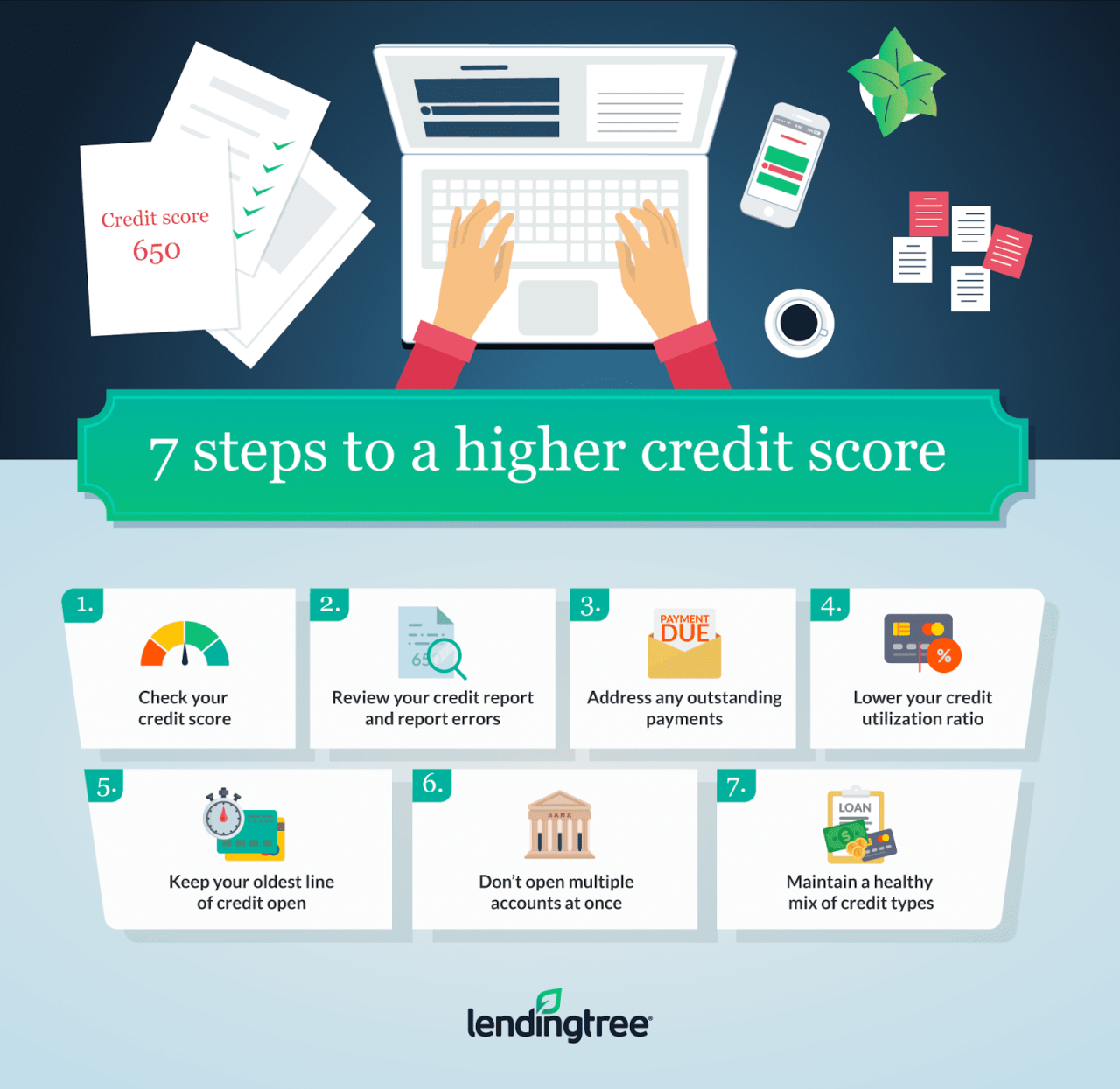
Having a good credit score is crucial for financial health and stability. It is a numerical representation of your creditworthiness, indicating to lenders how likely you are to repay borrowed money. A higher credit score opens up opportunities for better interest rates, higher credit limits, and approval for loans and credit cards.
Benefits of a Higher Credit Score
A higher credit score can lead to:
- Lower interest rates on loans and credit cards
- Higher chances of loan approval
- Increased credit limits
- Access to better financial products and services
Common Misconceptions About Credit Scores
There are several misconceptions surrounding credit scores, including:
- Checking your own credit score will lower it (This is not true, as checking your own credit score is considered a soft inquiry and does not impact your score)
- Closing credit accounts will improve your score (In reality, closing accounts can actually lower your credit score by affecting your credit utilization ratio)
- Having a high income automatically leads to a high credit score (Income is not a direct factor in calculating credit scores; it is your payment history, credit utilization, length of credit history, new credit, and credit mix that matter)
Understanding Credit Scores
Credit scores play a crucial role in determining your financial health and eligibility for loans or credit cards. It is essential to understand the factors that influence your credit score, the difference between FICO and VantageScore, and how to check your current credit score.Factors Influencing a Credit Score
- Your payment history, including on-time payments, late payments, and delinquencies.
- Amount of debt you owe, particularly credit utilization ratio.
- Length of credit history, including the age of your oldest account and average age of accounts.
- Types of credit accounts you have, such as credit cards, loans, and mortgages.
- New credit inquiries and accounts opened recently.
Difference between FICO and VantageScore
- FICO is the most widely used credit scoring model, ranging from 300 to 850, with higher scores indicating better creditworthiness.
- VantageScore is a newer model developed by the three major credit bureaus, also ranging from 300 to 850, but with different algorithms than FICO.
- While both models consider similar factors, the weight given to each factor may vary, resulting in slight score differences.
Ways to Check Your Credit Score
- Request a free credit report from each of the three major credit bureaus (Equifax, Experian, TransUnion) annually at AnnualCreditReport.com.
- Use free credit monitoring services like Credit Karma, Credit Sesame, or your credit card issuer to access your credit score regularly.
- Consider purchasing your FICO score directly from FICO or through your credit card issuer or bank.
Strategies to Boost Your Credit Score
Improving your credit score is crucial for financial stability and future opportunities. Here are some key strategies to help boost your credit score effectively.
Impact of Payment History on Credit Scores
Your payment history plays a significant role in determining your credit score. Late payments or missed payments can have a negative impact on your credit score. It is essential to make all payments on time to maintain a good credit score.
Tips on Reducing Credit Card Balances
High credit card balances can negatively affect your credit score. To reduce your credit card balances, consider creating a budget to prioritize paying off your credit card debt. You can also explore balance transfer options or consolidate your debt to lower interest rates.
Benefits of Increasing Credit Limits
Increasing your credit limits can potentially improve your credit score by reducing your credit utilization ratio. A higher credit limit means you are using a lower percentage of your available credit, which can positively impact your credit score. However, it is crucial to use this increased limit responsibly and not accumulate more debt.
Managing Credit Inquiries
When you apply for credit, lenders may perform a credit inquiry to assess your creditworthiness. There are two types of inquiries: hard inquiries, which can impact your credit score, and soft inquiries, which do not affect it. Understanding how credit inquiries work is crucial in managing your credit score effectively.How Hard and Soft Inquiries Affect Credit Scores
Hard inquiries occur when you apply for new credit, such as a loan or credit card. These inquiries are visible to other lenders and can lower your credit score temporarily. On the other hand, soft inquiries, like pre-approved credit offers or checking your own credit score, do not impact your credit score. It's important to be mindful of the type of inquiries you are allowing to be made on your credit report.Strategies for Minimizing the Impact of Credit Inquiries
- Consolidate Loan Shopping: When shopping for a loan, such as a mortgage or auto loan, try to do so within a short period. Credit scoring models typically recognize this as rate shopping and treat multiple inquiries within a specific timeframe as a single inquiry. - Be Selective with Applications: Only apply for credit when necessary to avoid unnecessary hard inquiries that can lower your credit score. - Monitor Your Credit Report: Regularly check your credit report to ensure there are no unauthorized or incorrect inquiries that could negatively impact your credit scoreThe Importance of Spacing Out Credit Applications
Spacing out credit applications is crucial to avoid multiple hard inquiries in a short period. Lenders may interpret multiple inquiries as a sign of financial distress or irresponsible credit behavior, potentially leading to a lower credit score. By being strategic and thoughtful about when you apply for credit, you can minimize the impact on your credit score and maintain a healthy credit profile.Importance of Diverse Credit Accounts

Having a diverse mix of credit accounts is crucial for building a strong credit profile. Lenders want to see that you can manage different types of credit responsibly, which can positively impact your credit score.
Ways to Diversify Credit Accounts
- Open a mix of credit accounts such as credit cards, installment loans, and mortgages.
- Consider adding a secured credit card if you have limited credit history.
- Make timely payments on all accounts to demonstrate responsible credit behavior.
- Avoid opening multiple accounts at once, as this can have a negative impact on your credit score.
Impact of Closing Old Accounts on Credit Scores
Closing old accounts can potentially harm your credit score as it may reduce the overall length of your credit history and decrease your available credit limit. This can increase your credit utilization ratio, which is an important factor in determining your credit score.
Monitoring Credit Reports
Regularly checking your credit reports is crucial in maintaining a healthy credit score. By keeping an eye on your reports, you can catch any errors or fraudulent activity early on, preventing them from negatively impacting your score.Disputing Errors on Credit Reports
- Review your credit reports from all three major bureaus - Experian, Equifax, and TransUnion.
- If you spot any inaccuracies or errors, gather evidence to support your dispute.
- Submit a dispute with the credit bureau reporting the error, providing documentation to support your claim.
- Follow up with the bureau to ensure the error is corrected and reflected accurately on your report.
Impact of Identity Theft on Credit Scores
Identity theft can severely damage your credit score if left unchecked. Fraudulent accounts opened in your name or unauthorized transactions can drag down your score and create financial havoc.It is essential to report any instances of identity theft to the authorities and credit bureaus immediately.
Place a fraud alert on your credit reports to prevent further damage and monitor your accounts closely for any suspicious activity.
Long-Term Credit Building
Establishing a positive credit history is crucial for long-term credit building. It involves consistently managing your credit accounts responsibly over an extended period. This not only helps improve your credit score but also shows lenders that you are a reliable borrower.Tips for Establishing a Positive Credit History
- Pay your bills on time every month to demonstrate responsible financial behavior.
- Keep your credit card balances low and avoid maxing out your credit limits.
- Avoid opening multiple new credit accounts within a short period, as this can negatively impact your credit score.
- Monitor your credit reports regularly to check for any errors or fraudulent activity.
Benefits of Long-Term Credit Management
- Improved credit score: Over time, responsible credit management can lead to a higher credit score, making it easier to qualify for loans and credit cards with favorable terms.
- Lower interest rates: Lenders are more likely to offer lower interest rates to individuals with a proven track record of managing credit responsibly.
- Increased financial opportunities: A positive credit history opens doors to better financial opportunities, such as lower insurance premiums and higher credit limits.
Importance of Patience in Improving Credit Scores
- Building a positive credit history takes time, so it's important to be patient and consistent in your credit management habits.
- Avoid quick-fix solutions or credit repair schemes that promise unrealistic results, as they can do more harm than good in the long run.
- Stay focused on your long-term financial goals and trust the process of gradually improving your credit score over time.
Concluding Remarks
In conclusion, mastering these 7 secrets will not only elevate your credit score but also pave the way for greater financial opportunities. Take charge of your credit journey today and witness the transformation firsthand.
FAQ Overview
Question: How quickly can I see results by implementing these 7 secrets?
Answer: You may start seeing improvements in your credit score within the first month of implementing these strategies, with significant progress over the course of 30 days.
Question: Will these techniques work for all credit scores, including poor ones?
Answer: While these secrets are designed to boost credit scores significantly, the degree of improvement may vary depending on individual circumstances. However, they can still benefit individuals with poor credit scores.
Question: Is it necessary to hire a professional to implement these strategies?
Answer: These strategies can be implemented by individuals themselves without the need for professional assistance. However, consulting a financial advisor may provide additional insights tailored to your specific situation.

